Food Dyes: Types, Uses, and Effects on Health
Food dyes have become an essential part of modern food production. From colorful candies and desserts to vibrant beverages and bakery items, Water-Soluble Food Colors enhance the visual appeal of our favorite treats. Whether it’s a rich food dye green for decorating cakes or a deep red in a fruit punch, food coloring adds excitement and identity to edible products.
In this article, we’ll explore everything you need to know about Water-Soluble Food Colors, including different types like food dye powder, food dye liquid, food dye gel, and their specific uses like food dye for chocolate, along with their impact on health and the role of Water-Soluble Food Colors in food products.
What Are Dyes?
Food are additives used to impart or restore color to food items. Food dyes They are widely used in processed foods, baked goods, dairy products, candies, and beverages. Food can be natural (derived from plant or animal sources) or synthetic (created chemically in labs). Synthetic dyes are more vibrant and cost-effective, which makes them more popular in mass food production.
Types of Dyes
To achieve the desired color and effect, food manufacturers choose from several forms of Organic Food Colors, each with unique applications:
1. Food Dyes Powder
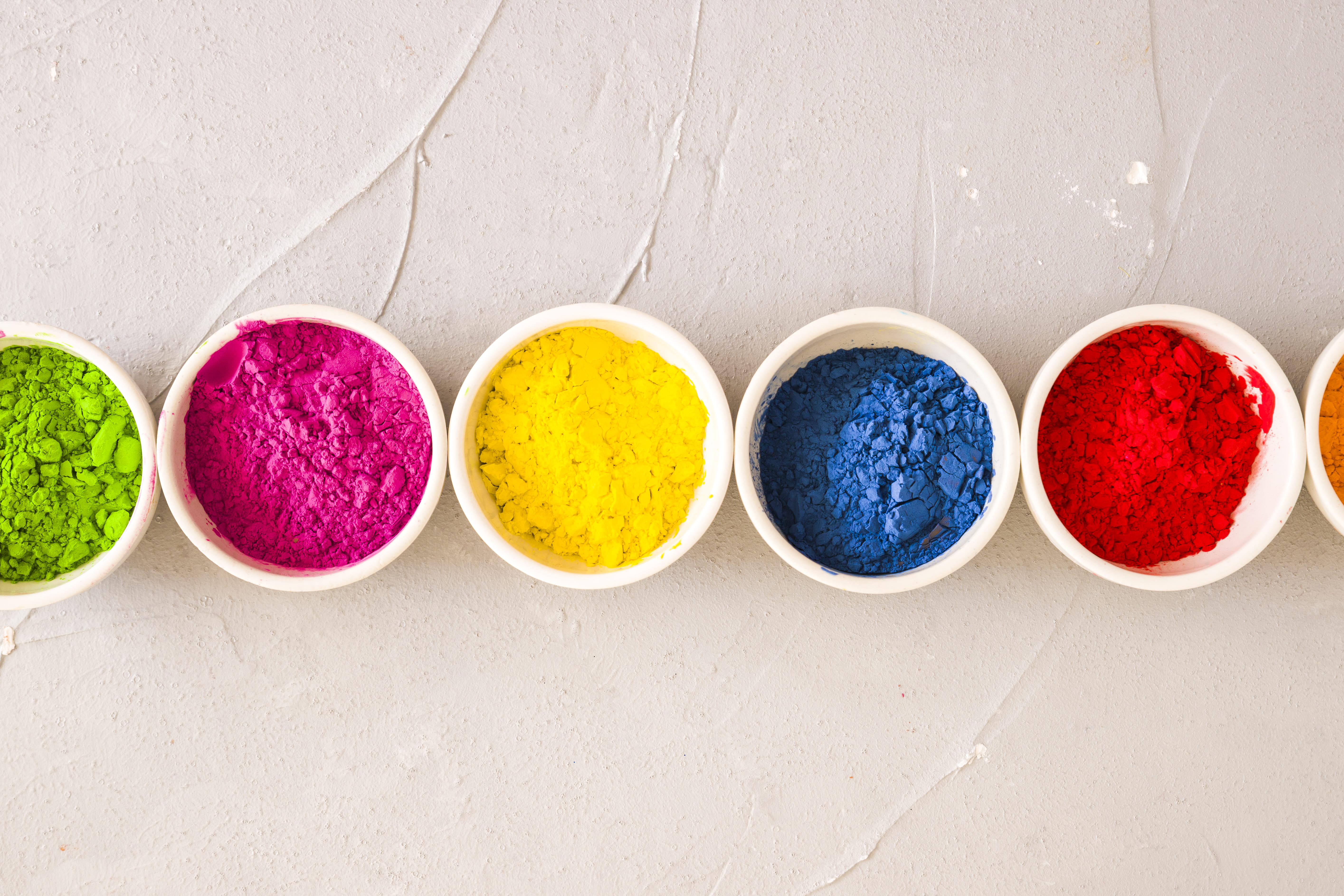
Food dye powder is a highly concentrated form of color used primarily in dry mixes and baked goods. It has a long shelf life and offers deep pigmentation with just a small quantity. This type is ideal for cake batters, cookie dough, and dry dessert mixes where liquid dyes might affect consistency.
2. Food Dye Liquid
Food dye liquid is the most commonly used form of food coloring in households. Food dyes It is usually water-based and comes in small bottles. Liquid dyes are perfect for coloring icings, beverages, and sauces. They are easy to mix but might require a larger quantity to achieve intense colors compared to gels or powders.
3. Food Dye Gel
Food dye gel is a thicker and more concentrated version of liquid dye. It is widely used in professional baking and cake decorating. Since it contains less moisture, food dye gel does not alter the consistency of the mix, making it suitable for whipped toppings, buttercream, fondant, and royal icing.
4. Food Dye Green and Other Shades
Among the many colors available, food dye green is particularly popular in festive and themed decorations—like St. Patrick’s Day treats or Christmas desserts. The food industry also utilizes other common shades like red, blue, yellow, and orange to align with branding, seasonal events, or product differentiation.
Food Dye for Chocolate
Chocolate poses a unique challenge when it comes to coloring. Since it's oil-based, regular water-based Chocolate can cause it to seize. That’s why special food dye for chocolate—typically oil-based food coloring—is used. These dyes blend smoothly with melted chocolate, enabling chocolatiers to create colorful bonbons, decorative drizzles, and custom molds.
Food dyes in Food Industry
Food in food play both functional and aesthetic roles. They can compensate for color loss during processing, standardize product appearance, or simply make food more attractive to consumers. For example:
-
Yellow dyes in cheese or margarine
-
Red dyes in fruit-flavored candies
-
Green dyes in mint-flavored items
In processed foods, color often influences our perception of flavor and freshness. A strawberry-flavored drink, for instance, is expected to be red or pink—achieved through.
Are Dyes Safe?
The safety of dyes has been a topic of research and debate for decades. While most dyes approved by regulatory authorities like the FDA are considered safe in limited quantities, there are growing concerns about dyes side effects, especially in children.
Common Side Effects May Include:
Some artificial food, such as Red 40, Yellow 5, and Blue 1, have been linked to health concerns and are banned in some countries. As a result, many manufacturers are shifting towards natural alternatives like beetroot extract, turmeric, or spirulina.
Natural vs. Artificial Food
| Feature |
Natural Food |
Artificial Food |
| Source |
Plants, animals, minerals |
Synthetic chemicals |
| Color Intensity |
Mild to moderate |
Bright and vibrant |
| Shelf Life |
Shorter |
Longer |
| Health Impact |
Safer, minimal risk |
May cause side effects |
| Cost |
Higher |
Lower |
If you’re health-conscious or preparing food for kids, it’s worth choosing natural food over synthetic ones.
Using Liquid Food Colors at Home: Tips & Tricks
-
Start with small quantities: Liquid Food Colors are concentrated. Add gradually to avoid over-coloring.
-
Mix colors: Blend basic colors (like red and blue) to create custom shades.
-
Use appropriate form: For chocolate, use oil-based dye. For icing, gel is best.
-
Store properly: Keep in a cool, dry place, away from sunlight to preserve color quality.
Environmental and Ethical Concerns
Apart from health, some Liquid Food Colors raise environmental and ethical concerns. Certain red dyes like Cochineal are made from crushed insects, which can be problematic for vegans. Also, synthetic dye production may contribute to pollution if not regulated.
To address this, several companies now offer vegan, organic, and eco-friendly food dye options.